The Most Beautiful Tourist Attractions in Japan and the Best Cities Worth Visiting

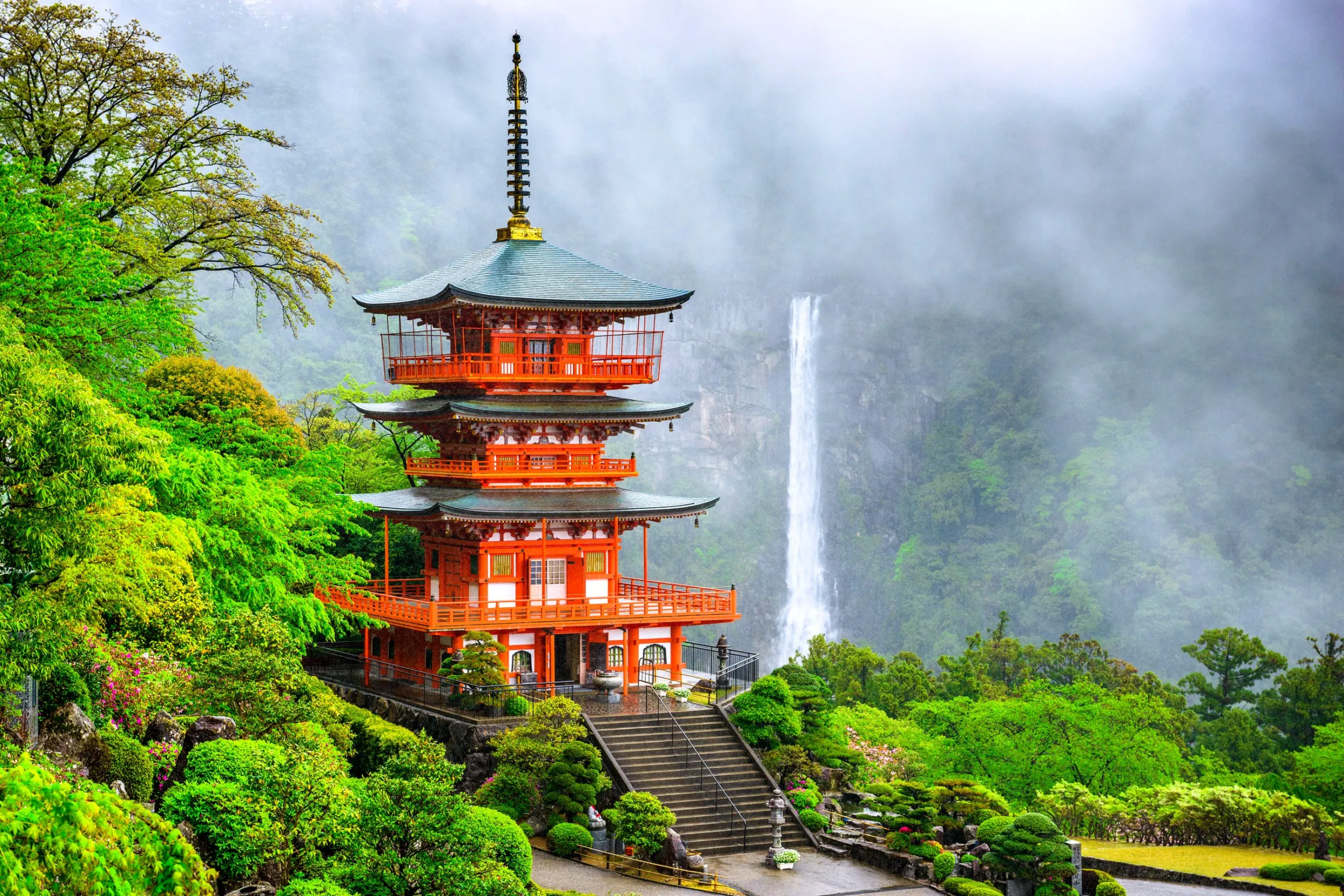
Japan is a fascinating destination where ancient traditions meet modern innovation, creating a travel experience unlike anywhere else in the world.
From peaceful temples and traditional Japanese gardens to futuristic skyscrapers, breathtaking mountains, and picturesque coastal towns, the country offers something for every type of traveler.
Whether you dream of seeing cherry blossoms in spring, exploring historic streets, tasting authentic Japanese cuisine, or relaxing in a traditional hot spring, Japan has countless places waiting to be discovered.
In this guide, we explore the most beautiful tourist attractions in Japan, the best cities to visit, and practical tips to help you plan an unforgettable Japanese vacation.
Why Is Japan One of the Best Countries to Visit?
Japan stands out for its remarkable combination of culture, natural beauty, delicious food, and modern infrastructure. Travelers can explore centuries-old shrines in the morning, enjoy world-class shopping in the afternoon, and experience the excitement of a lively entertainment district at night.
The country is also famous for its seasonal landscapes. Cherry blossoms transform parks and streets in spring, summer brings lush greenery and colorful festivals, autumn paints the mountains with red and golden leaves, and winter offers snowy landscapes and relaxing hot springs.
Another reason to visit Japan is the opportunity to experience its distinctive traditions, including tea ceremonies, traditional inns, Japanese gardens, and regional culinary specialties.
The Most Beautiful Tourist Attractions in Japan
1. Mount Fuji: Japan’s Most Iconic Natural Landmark
Mount Fuji is one of Japan’s most recognizable symbols and a must-see destination for anyone visiting the country. Its nearly symmetrical volcanic shape creates a spectacular sight, particularly when its summit is covered in snow.
The surrounding region offers beautiful lakes, forests, walking trails, and scenic viewpoints. Lake Kawaguchi is especially popular because it provides memorable views of the mountain, particularly on clear mornings.
Visitors can enjoy boat rides, explore nearby villages, photograph the landscape, or relax in a traditional hot spring resort.
Best time to visit: Spring and autumn offer beautiful scenery, while summer is the main climbing season for those interested in reaching the summit.
2. Fushimi Inari Taisha: Kyoto’s Famous Red Torii Gates
Fushimi Inari Taisha is one of Kyoto’s most distinctive attractions, famous for its thousands of red-orange torii gates that form winding pathways up Mount Inari.
Walking beneath these gates creates a memorable atmosphere, combining spiritual traditions with beautiful forest scenery. The shrine is dedicated to Inari, a deity associated with prosperity and rice.
Visitors can explore the main shrine buildings, photograph the gates, and follow the mountain trails to discover quieter sections away from the busiest areas.
Early morning is an excellent time to visit if you want to enjoy a more peaceful experience.
3. Arashiyama Bamboo Grove: A Magical Natural Escape
Located in western Kyoto, Arashiyama Bamboo Grove is one of Japan’s most photographed natural attractions. Tall bamboo stalks rise on both sides of the walking paths, creating a distinctive landscape that feels far removed from the busy city.
The surrounding area offers much more than bamboo. Visitors can explore Tenryu-ji Temple, admire traditional gardens, walk across Togetsukyo Bridge, and enjoy the scenery along the Katsura River.
The district is particularly appealing to travelers who want to combine nature, photography, and Japanese cultural heritage in one visit.
Travel tip: Arrive early in the morning to enjoy the bamboo paths before the largest crowds arrive.
4. Kinkaku-ji: Kyoto’s Golden Pavilion
Kinkaku-ji, also known as the Golden Pavilion, is among Kyoto’s most beautiful historic landmarks. Its upper floors are covered in gold leaf, creating a striking reflection in the surrounding pond.
The temple’s carefully designed gardens, peaceful walking paths, and seasonal scenery make it an excellent destination for photographers and culture enthusiasts.
During autumn, colorful foliage enhances the beauty of the grounds, while winter can occasionally bring a delicate layer of snow that transforms the pavilion into a postcard-worthy scene.
A visit to Kinkaku-ji offers a glimpse into Japan’s traditional architecture and appreciation for landscape design.
5. Tokyo Skytree: Spectacular Views of Tokyo
Tokyo Skytree is one of the most impressive modern landmarks in Japan. Rising above the city, the tower provides panoramic views across Tokyo’s vast urban landscape.
On clear days, visitors may even catch a distant view of Mount Fuji from the observation areas. The surrounding district also features shopping, restaurants, and entertainment, making it easy to combine sightseeing with a relaxed afternoon.
Tokyo Skytree is an excellent choice for travelers who want to appreciate the scale of Japan’s capital from above.
For the best experience, consider visiting near sunset, when the city gradually transitions from daylight into a sea of illuminated streets and buildings.
6. Senso-ji Temple: Discover Traditional Tokyo
Located in the Asakusa district, Senso-ji is one of Tokyo’s best-known Buddhist temples. Its impressive entrance gate, traditional architecture, and lively shopping street make it a favorite stop for visitors.
Nakamise Street leads toward the temple and is lined with shops selling traditional snacks, souvenirs, and Japanese crafts.
The surrounding neighborhood provides a fascinating contrast to Tokyo’s modern shopping districts, offering a glimpse of the city’s older atmosphere.
Visitors can explore the temple grounds, sample local treats, and discover small streets filled with traditional shops.
7. Osaka Castle: A Journey Through Japanese History
Osaka Castle is one of the city’s most recognizable landmarks and an important destination for travelers interested in Japanese history.
Surrounded by broad parkland, stone walls, and a moat, the castle creates a striking scene throughout the year. During cherry blossom season, the surrounding trees add an extra layer of beauty.
The castle museum introduces visitors to important chapters of Japanese history, while the extensive grounds provide space for walking, photography, and seasonal picnics.
After exploring the castle, travelers can head into central Osaka to experience its famous food culture and lively entertainment districts.
8. Nara Park: Meet Japan’s Famous Deer
Nara Park is one of Japan’s most charming destinations, especially for families and nature lovers. The park is famous for its free-roaming deer, which have become an iconic part of the city’s identity.
Visitors can walk through the green spaces, see historic temples, and explore the area around Todai-ji Temple, which houses a monumental bronze Buddha statue.
Nara’s relaxed atmosphere makes it an appealing change of pace from the busy streets of Tokyo and Osaka.
The city is also an excellent day-trip destination for travelers staying in Kyoto or Osaka.
Remember that the deer are wild animals. Follow local guidance, avoid teasing them, and handle any permitted deer crackers carefully.
9. Lake Kawaguchi: One of the Best Places to See Mount Fuji
Lake Kawaguchi is part of the Fuji Five Lakes region and offers some of the most beautiful views of Mount Fuji.
The lake’s peaceful surroundings make it ideal for photography, scenic walks, boat trips, and relaxing stays in traditional hot spring accommodations.
In spring, cherry blossoms can create beautiful scenes along the shoreline. Autumn brings colorful leaves, while winter often offers clearer views of the mountain.
Travelers can also explore nearby cafés, museums, parks, and small towns.
If seeing Mount Fuji is one of your main reasons for visiting Japan, consider spending at least one night in the area rather than making only a short day trip.
10. Himeji Castle: A Masterpiece of Japanese Architecture
Himeji Castle is widely admired for its elegant white exterior, complex defensive design, and impressive historic setting.
Often called the White Heron Castle because of its appearance, it is one of the country’s most celebrated examples of traditional Japanese castle architecture.
Visitors can explore the castle grounds, admire the surrounding walls and gates, and learn about the military and political history associated with the site.
Spring is especially popular because cherry blossoms add color to the white castle and its surrounding landscape.
Himeji can also be visited as a stop between major cities when traveling through western Japan.
11. Itsukushima Shrine: The Famous Floating Torii Gate
Itsukushima Shrine is located on Miyajima Island near Hiroshima and is famous for its large torii gate, which appears to float above the water during certain tidal conditions.
The island combines coastal scenery, forested hills, traditional streets, and historic religious sites. Visitors can explore the shrine, sample local food, and take a cable car or hike toward Mount Misen for panoramic views.
The appearance of the torii gate changes with the tides, so checking local tide information can help you choose the best time for photographs.
Miyajima is one of the most memorable destinations in western Japan for travelers interested in scenery and cultural heritage.
12. Shibuya Crossing: Experience the Energy of Tokyo
Shibuya Crossing represents the fast-paced side of modern Japan. Located in one of Tokyo’s busiest districts, it is famous for the large numbers of pedestrians crossing from every direction when the traffic lights change.
The surrounding neighborhood features shopping centers, fashion stores, restaurants, cafés, and entertainment venues.
Visitors can experience the crossing from street level or view it from an elevated observation point nearby.
Shibuya is especially appealing to travelers interested in contemporary Japanese culture, urban photography, fashion, and nightlife.
13. Shirakawa-go: A Traditional Village Surrounded by Mountains
Shirakawa-go is a picturesque village in central Japan, known for its traditional farmhouses with steeply pitched thatched roofs.
The historic buildings were designed to withstand heavy winter snowfall, giving the village a distinctive appearance. Surrounded by mountains and greenery, Shirakawa-go offers a glimpse of rural Japanese life that differs greatly from the country’s major cities.
Visitors can walk through the village, photograph the traditional architecture, explore selected historic houses, and enjoy local dishes.
Winter is particularly atmospheric when snow covers the rooftops, although road conditions and transport schedules should be checked before traveling.
14. Okinawa: Japan’s Tropical Island Paradise
Okinawa offers a different side of Japan, with subtropical landscapes, clear blue water, sandy beaches, and a cultural identity shaped by the history of the Ryukyu Kingdom.
The islands are ideal for swimming, snorkeling, diving, and enjoying coastal scenery. Travelers can also discover traditional villages, local crafts, distinctive Okinawan cuisine, and historic sites.
Unlike the busy streets of Tokyo or the temples of Kyoto, Okinawa is best suited to visitors seeking a slower pace and a relaxing beach holiday.
For travelers with extra time, exploring islands beyond the main island can reveal quieter beaches and remarkable marine environments.
15. Jigokudani Monkey Park: Watch Snow Monkeys in Their Natural Habitat
Jigokudani Monkey Park, located in Nagano Prefecture, is famous for its Japanese macaques, which are often photographed bathing in natural hot springs during the colder months.
The surrounding valley features forests, mountain scenery, and walking trails that offer a different kind of Japanese travel experience.
Winter is the most famous season for seeing the monkeys in snowy conditions, although wildlife sightings and weather vary.
Visitors should follow park rules, keep a respectful distance, and avoid feeding or touching the animals.
The Best Cities to Visit in Japan
Japan’s cities each have their own character. Some are ideal for history and traditional culture, while others appeal to travelers seeking shopping, food, nightlife, or natural scenery.
1. Tokyo: The Best City for First-Time Visitors
Tokyo is an excellent starting point for a first trip to Japan because it combines famous landmarks, modern attractions, historic neighborhoods, and convenient transportation.
Top places to explore include:
- Shibuya: Famous for its crossing, shopping, and energetic atmosphere.
- Asakusa: Home to Senso-ji Temple and traditional shopping streets.
- Shinjuku: Known for skyscrapers, restaurants, nightlife, and city views.
- Harajuku: Popular for fashion, youth culture, and creative shopping.
- Ueno: Offers museums, parks, and seasonal cherry blossoms.
Tokyo also has an outstanding food scene, ranging from small ramen shops and sushi restaurants to international dining.
Ideal for: First-time visitors, shopping, technology, entertainment, food, and nightlife.
2. Kyoto: The Best City for Traditional Japanese Culture
Kyoto is the place to visit if you want to discover Japan’s historic architecture, temples, shrines, gardens, and traditional streets.
As a former imperial capital, the city preserves a remarkable cultural heritage that can be experienced throughout its historic districts.
The best places to explore include Fushimi Inari Taisha, Kinkaku-ji, Arashiyama Bamboo Grove, Kiyomizu-dera Temple, and the Gion district.
Kyoto is also famous for its tea culture, traditional cuisine, and beautiful seasonal landscapes.
Ideal for: History, temples, Japanese gardens, cultural experiences, and photography.
3. Osaka: The Best City for Food and Entertainment
Osaka is one of Japan’s most energetic cities and a favorite destination for travelers who enjoy food, shopping, and nightlife.
The Dotonbori district is especially popular for its colorful signs, canal-side atmosphere, and restaurants serving local specialties.
Visitors should also explore Osaka Castle, Shinsaibashi shopping street, and the lively Shinsekai neighborhood.
Osaka is famous for dishes such as takoyaki, small batter balls typically filled with octopus, and okonomiyaki, a savory pancake with regional variations.
The city also makes a convenient base for day trips to Kyoto, Nara, and other destinations in the Kansai region.
Ideal for: Food lovers, shopping, nightlife, families, and day trips.
4. Nara: The Best City for History and Peaceful Scenery
Nara offers a more relaxed atmosphere than Japan’s largest metropolitan areas. Its historic temples, landscaped parks, and famous deer make it one of the country’s most memorable cultural destinations.
Todai-ji Temple, Nara Park, and Kasuga Taisha Shrine are among the main attractions.
Because Nara is relatively close to Kyoto and Osaka, visitors can explore many of its highlights in a day. However, staying longer allows more time to discover quieter streets and traditional neighborhoods.
Ideal for: Cultural sightseeing, families, history, and nature.
5. Hiroshima: The Best City for History and Reflection
Hiroshima is an important destination for understanding modern Japanese history and the enduring importance of peace.
The Hiroshima Peace Memorial Park and Atomic Bomb Dome provide a deeply moving experience, while the city’s museums help visitors understand the events of 1945 and their lasting impact.
Hiroshima also offers a lively food scene, riverside walks, and access to Miyajima Island, famous for Itsukushima Shrine and its celebrated torii gate.
Ideal for: History, cultural experiences, reflective travel, and scenic day trips.
6. Sapporo: The Best City for Winter Travel
Located on the northern island of Hokkaido, Sapporo is known for its snowy winters, seasonal festivals, and distinctive food culture.
Winter visitors can enjoy snow-covered scenery and nearby ski resorts, while summer brings milder weather and opportunities to explore parks and surrounding countryside.
Odori Park, the historic Clock Tower, and the city’s food districts are popular stops. Sapporo is also a useful base for exploring other parts of Hokkaido.
Ideal for: Winter scenery, skiing, seasonal festivals, and regional cuisine.
7. Kanazawa: The Best City for Gardens and Traditional Streets
Kanazawa is an excellent choice for travelers who want to experience Japanese culture without limiting their trip to Tokyo and Kyoto.
One of its major attractions is Kenrokuen, a celebrated Japanese garden known for its carefully designed landscapes and seasonal beauty.
The city also features historic samurai districts, traditional tea-house neighborhoods, craft shops, and a well-preserved cultural atmosphere.
Visitors can enjoy regional seafood and discover traditional arts that remain an important part of local life.
Ideal for: Gardens, traditional architecture, crafts, history, and food.
8. Fukuoka: The Best City for a Relaxed Urban Experience
Fukuoka, located on the island of Kyushu, combines an approachable city atmosphere with excellent food and access to coastal scenery.
The city is famous for its ramen culture, particularly Hakata-style tonkotsu ramen. Visitors can also explore shopping districts, parks, waterfront areas, and local food stalls known as yatai.
Fukuoka is a useful starting point for exploring Kyushu, a region known for hot springs, volcanic landscapes, historic towns, and distinctive regional cuisine.
Ideal for: Food, shopping, relaxed city breaks, and exploring southern Japan.
Best Time to Visit Japan
The best time to visit Japan depends on the experiences you want, the regions you plan to explore, and your tolerance for crowds and changing weather.
Spring: March to May
Spring is one of the most popular seasons for tourism in Japan because of the cherry blossoms and pleasant conditions in many areas.
Parks, gardens, and historic streets become especially beautiful when the sakura trees bloom. Tokyo, Kyoto, and Osaka are popular destinations during this period.
However, blossom timing varies by region and year, and the most famous viewing locations can become crowded. Booking accommodation early is advisable.
Summer: June to August
Summer brings festivals, lush landscapes, and opportunities to explore Japan’s mountains and northern regions.
It can also be hot and humid in many cities, while the rainy season affects parts of the country around early summer. Okinawa and other coastal destinations appeal to travelers interested in beaches and water activities.
Hikers considering Mount Fuji should check official climbing-season dates and current trail regulations before planning their trip.
Autumn: September to November
Autumn is a wonderful time to visit Japan for colorful foliage, comfortable walking weather in many areas, and beautiful garden scenery.
Kyoto, Nikko, and the mountain regions are particularly appealing for travelers who enjoy photography and outdoor exploration.
The timing of autumn colors varies by location and elevation, so travelers should check local forecasts when planning around peak foliage.
Winter: December to February
Winter offers a different perspective on Japan, from snow-covered villages and ski resorts to illuminated city streets and relaxing hot springs.
Hokkaido and the Japanese Alps are popular for winter sports, while places such as Shirakawa-go can offer remarkable snowy landscapes.
Southern destinations may have milder weather, making them appealing for travelers who prefer to avoid the coldest conditions.
How Many Days Do You Need to Explore Japan?
The ideal length of a Japan trip depends on your interests and how many regions you want to visit.
- 5 to 7 days: Focus on Tokyo and one nearby destination, or divide your time between Kyoto and Osaka.
- 10 to 14 days: Explore Tokyo, Mount Fuji or Hakone, Kyoto, Osaka, and Nara.
- 2 to 3 weeks: Add destinations such as Hiroshima, Miyajima, Kanazawa, or the Japanese Alps.
- 3 weeks or more: Consider a broader itinerary that includes Hokkaido, Kyushu, or Okinawa.
For a first visit, it is usually better to explore a few regions properly rather than spend most of the trip traveling between distant destinations.
Essential Travel Tips for Visiting Japan
Use Japan’s Public Transportation
Japan has an extensive public transportation network, including local trains, subway systems, buses, and high-speed Shinkansen services.
Major cities are generally easy to explore without renting a car. However, rural areas may require more planning, especially when buses run infrequently.
Check routes and fares before departure, and compare individual tickets with regional or nationwide rail passes based on your actual itinerary.
Book Accommodation in Advance
Hotels and traditional Japanese inns can become expensive or sell out during cherry blossom season, major holidays, and popular autumn foliage periods.
Booking early gives you more choices and can help you stay near train stations or the attractions you most want to visit.
Respect Local Customs
Japanese culture places importance on consideration for others and respectful behavior in shared spaces.
Keep your voice low on public transportation, follow rules at temples and shrines, remove shoes when required, and ask permission before photographing people.
Some attractions have specific rules about photography, food, and visitor behavior, so check signs and follow staff instructions.
Try Traditional Japanese Food
Food is an important part of the travel experience in Japan. Each region offers its own specialties, from sushi and ramen to Osaka’s takoyaki and Kyoto’s traditional cuisine.
Local markets, neighborhood restaurants, and small family-run establishments can provide memorable meals.
If you have dietary restrictions or food allergies, prepare clear information in Japanese where possible and confirm ingredients with restaurant staff.
Plan Around the Weather
Japan stretches across several climate zones, so conditions can vary significantly between Hokkaido in the north and Okinawa in the south.
Check regional forecasts, pack suitable clothing, and allow some flexibility in your itinerary. Travelers planning mountain hikes should also review trail conditions and seasonal restrictions.
Frequently Asked Questions About Visiting Japan
What is the most beautiful place in Japan?
There is no single answer because Japan offers many different types of scenery. Mount Fuji is famous for its dramatic natural beauty, Kyoto is celebrated for its temples and traditional gardens, and Okinawa attracts visitors with its tropical beaches. Shirakawa-go and the Japanese Alps are also excellent choices for travelers seeking picturesque landscapes.
Which city in Japan should I visit first?
Tokyo is a great starting point for first-time visitors because it offers modern attractions, historic neighborhoods, shopping, food, and convenient transport connections. Kyoto and Osaka are excellent additions for travelers interested in traditional culture and regional cuisine.
Is Japan a good destination for families?
Yes. Japan offers family-friendly attractions, reliable transportation in major cities, parks, museums, aquariums, cultural sites, and theme parks. Families can combine urban sightseeing with nature, wildlife experiences, and seasonal activities.
How many days are enough for a first trip to Japan?
Around 10 to 14 days is a useful starting point for a first trip covering Tokyo, Kyoto, Osaka, and nearby attractions. A shorter trip can still be enjoyable if you concentrate on one or two areas rather than trying to visit the entire country.
Is Japan expensive to visit?
Travel costs depend on your accommodation, dining choices, transportation, and season. Japan offers luxury hotels and fine dining, but budget travelers can also find business hotels, casual restaurants, convenience-store meals, and free or low-cost attractions.
Planning transportation and accommodation in advance can help you manage your budget.
What is the best month to visit Japan?
April and November are popular choices because many destinations offer attractive seasonal scenery during spring blossoms or autumn foliage. However, the best month depends on your destination and interests. Summer suits some outdoor activities and festivals, while winter is ideal for snow sports and snowy landscapes.
Japan is a destination that rewards curiosity. Its greatest appeal lies in the contrast between bustling cities and quiet temples, futuristic architecture and traditional villages, dramatic mountains and peaceful coastlines.
Tokyo offers the excitement of modern urban life, Kyoto reveals the beauty of traditional Japanese culture, and Osaka delights visitors with its food and entertainment. Beyond these famous cities, destinations such as Nara, Hiroshima, Kanazawa, Hokkaido, and Okinawa provide even more reasons to explore.