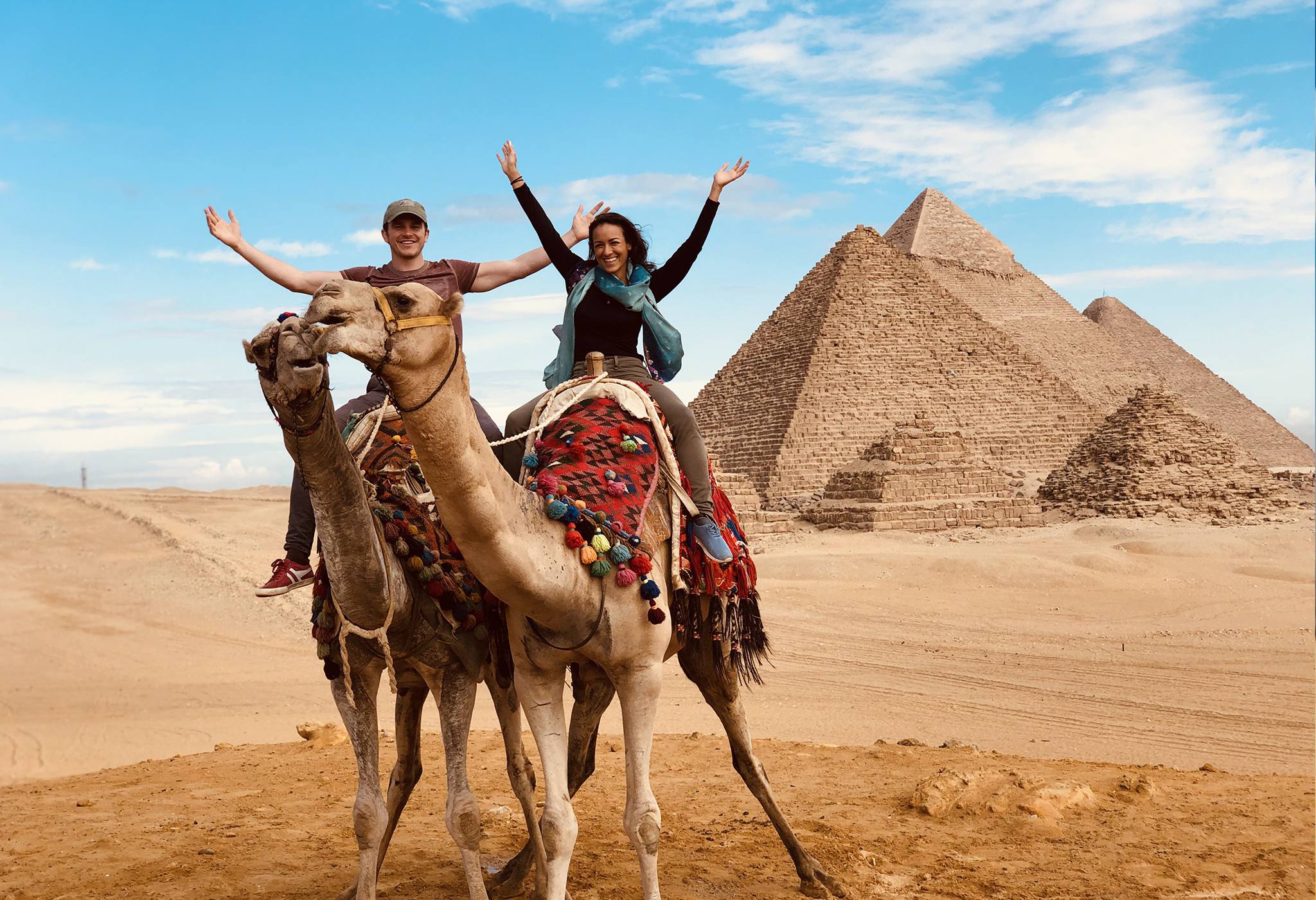
Egypt is one of the world’s most fascinating travel destinations, combining ancient civilization, magnificent monuments, beautiful beaches, and unforgettable cultural experiences.
From the legendary Pyramids of Giza to the temples of Luxor and the crystal-clear waters of the Red Sea, Egypt offers an incredible variety of attractions for visitors from around the world.
For Arab travelers, Egypt offers familiar language, rich cultural traditions, delicious cuisine, and a wide range of family-friendly resorts.
For international visitors, the country provides a unique opportunity to explore one of the oldest civilizations in history, discover traditional Egyptian life, and enjoy some of the most beautiful landscapes in North Africa.
Whether you are planning a family vacation, a romantic getaway, a historical adventure, or a relaxing beach holiday, this guide explores the best tourist places in Egypt and explains how to make the most of your visit.
1. Cairo: The Heart of Egyptian Culture and History
Cairo is an essential destination for anyone visiting Egypt. As the country’s capital, it combines historic mosques, traditional markets, modern shopping centers, museums, and lively neighborhoods along the Nile River.
The city is an excellent starting point for discovering Egyptian culture and exploring some of the country’s most important historical attractions.
Best places to visit in Cairo
The Egyptian Museum: Located in Tahrir Square, the museum houses an extensive collection of ancient Egyptian artifacts. Visitors interested in pharaohs, statues, jewelry, and historical treasures can spend several hours exploring its galleries.
Khan el-Khalili: This famous traditional market is one of the best places to experience Cairo’s historic atmosphere. Visitors can browse souvenirs, handmade crafts, jewelry, spices, and traditional products while exploring narrow streets filled with shops and cafes.
The Citadel of Saladin: This historic fortress offers panoramic views of Cairo and contains important architectural landmarks, including the Mosque of Muhammad Ali.
Old Cairo: Explore historic churches, ancient religious sites, and traditional streets that reflect the city’s diverse cultural heritage.
Al-Muizz Street: Known for its remarkable Islamic architecture, this historic street is an excellent destination for travelers who enjoy walking among old mosques, historic houses, and beautifully decorated buildings.
Cairo is particularly suitable for travelers who want to combine history, shopping, dining, and cultural activities. Because traffic can be heavy, it is wise to group nearby attractions together when planning daily excursions.
2. Giza: The Great Pyramids and the Sphinx
The Giza Plateau is one of the most recognizable tourist destinations in the world. Located near Cairo, it is home to the Great Pyramid of Khufu, the Pyramid of Khafre, the Pyramid of Menkaure, and the famous Great Sphinx.
These extraordinary monuments attract travelers who want to experience the achievements of ancient Egyptian civilization firsthand.
Top attractions in Giza
The Great Pyramid of Giza: The only surviving wonder of the traditional Seven Wonders of the Ancient World, the Great Pyramid is a remarkable example of ancient engineering.
The Great Sphinx: This monumental statue, featuring a lion’s body and a human head, is one of Egypt’s most famous landmarks.
The Giza Plateau viewpoints: Several areas around the plateau offer impressive views of the pyramids and are popular for photography.
The Grand Egyptian Museum: Located near the Giza pyramid complex, this major museum is a significant destination for visitors interested in ancient Egyptian history and archaeological collections. Check current opening arrangements and ticket information before visiting.
Travelers should allow sufficient time to explore the pyramid area, especially if they plan to enter one of the pyramids or visit nearby museums. Comfortable shoes, sun protection, and drinking water are essential, particularly during warmer months.
3. Luxor: The World’s Greatest Open-Air Museum
Luxor is one of Egypt’s most important historical destinations. Built around the ancient city of Thebes, it contains extraordinary temples, royal tombs, and archaeological sites that reveal the power and beliefs of ancient Egyptian civilization.
The city is located along the Nile River and is often included in cultural itineraries and Nile cruise packages.
Must-see attractions in Luxor
Karnak Temple: One of the largest religious complexes ever constructed, Karnak is famous for its monumental columns, obelisks, courtyards, and richly decorated walls.
Luxor Temple: Located near the city center, this impressive temple is particularly atmospheric in the evening when its illuminated structures create a dramatic setting.
Valley of the Kings: Situated on Luxor’s west bank, this archaeological area contains the tombs of numerous pharaohs, including the tomb of Tutankhamun.
Temple of Hatshepsut: This striking mortuary temple is built into a dramatic limestone landscape and is dedicated to one of ancient Egypt’s most notable female rulers.
Colossi of Memnon: These enormous statues stand near the west bank’s archaeological sites and are a popular stop on guided tours.
Luxor is an excellent choice for history enthusiasts, photographers, and travelers seeking a deeper understanding of ancient Egypt. Because daytime temperatures can become very high, early morning visits are often the most comfortable option.
4. Aswan: Nile Scenery and Nubian Culture
Aswan offers a more relaxed atmosphere than Cairo and combines beautiful river views, historic monuments, colorful Nubian villages, and traditional boat trips.
Located in southern Egypt, the city is a popular destination for travelers who want to experience the Nile at a slower pace.
Best places to visit in Aswan
Philae Temple: Dedicated primarily to the goddess Isis, this beautiful temple complex is located on an island and is usually reached by boat.
Nubian villages: Discover colorful houses, local crafts, traditional food, and the distinctive culture of Nubian communities.
The Unfinished Obelisk: This archaeological site provides insight into the stoneworking techniques used by ancient Egyptian craftsmen.
Elephantine Island: Explore the island’s historical remains and enjoy views of the Nile.
Lake Nasser: This vast reservoir near Aswan offers access to remarkable landscapes and important ancient sites, including Abu Simbel.
Aswan is especially appealing to couples, families, and travelers looking for scenic river experiences. A traditional felucca sailing trip can be a memorable way to enjoy the Nile, particularly around sunset when conditions are suitable.
5. Abu Simbel: Monumental Temples in Southern Egypt
Abu Simbel is one of Egypt’s most impressive archaeological destinations. Located in the far south near Lake Nasser, the site is famous for its enormous rock-cut temples built during the reign of Pharaoh Ramses II.
The Great Temple features colossal statues at its entrance, while the smaller temple is associated with Queen Nefertari and the goddess Hathor.
The temples were relocated in a major international preservation project to protect them from rising waters following the construction of the Aswan High Dam.
Abu Simbel is worth considering for travelers who have a strong interest in ancient Egyptian history and monumental architecture. Many visitors arrange a day trip from Aswan, but departure times, transport arrangements, and access conditions should be confirmed in advance.
6. Alexandria: Mediterranean Charm and Historic Landmarks
Alexandria offers a different atmosphere from Egypt’s southern historical cities. Located on the Mediterranean coast, it combines seaside scenery, historic neighborhoods, cultural attractions, and a distinctive blend of Egyptian and Mediterranean influences.
It is a popular destination for Egyptian families and international travelers interested in history and coastal city life.
Top tourist attractions in Alexandria
Bibliotheca Alexandrina: This modern cultural complex celebrates the legacy of the ancient Library of Alexandria and contains exhibition spaces, museums, and research facilities.
Qaitbay Citadel: Built near the site traditionally associated with the ancient Lighthouse of Alexandria, this seaside fortress offers views of the Mediterranean.
The Corniche: Enjoy a coastal walk, discover local cafes, and take in views of the sea.
The Catacombs of Kom El Shoqafa: An important archaeological site that illustrates the mixture of Egyptian, Greek, and Roman influences in ancient Alexandria.
Pompey’s Pillar: A prominent ancient monument and a notable stop for visitors interested in the city’s Roman-era history.
Alexandria is particularly attractive during the warmer months when visitors can enjoy its coastal setting. Weekends and public holidays can be busy, so booking accommodation and planning transport ahead of time can help.
7. Hurghada: Red Sea Beaches and Marine Adventures
Hurghada is one of Egypt’s best-known beach destinations, offering sunny weather, resort hotels, sandy beaches, and access to the spectacular underwater world of the Red Sea.
It is especially popular with families, couples, and travelers who want to combine relaxation with outdoor activities.
Best things to do in Hurghada
Snorkeling: Discover colorful coral reefs and tropical fish on organized boat excursions to suitable reef locations.
Scuba diving: Certified divers can explore a variety of underwater sites, while beginners may be able to book introductory experiences with qualified operators.
Island excursions: Boat trips to nearby island and sandbank areas provide opportunities to swim, relax, and enjoy the sea.
Desert safaris: Explore desert landscapes on guided excursions, with activities varying by operator and package.
Resort relaxation: Many hotels offer swimming pools, restaurants, family activities, and direct beach access.
Hurghada is a strong choice for visitors seeking a convenient seaside holiday. Families should check whether their accommodation offers suitable children’s facilities, while travelers interested in marine life should select responsible operators that follow reef-protection practices.
8. Sharm El-Sheikh: Beaches, Diving, and Desert Landscapes
Located on the southern tip of the Sinai Peninsula, Sharm El-Sheikh is famous for its clear waters, coral reefs, luxury resorts, and access to striking desert scenery.
The destination attracts international visitors looking for beach relaxation as well as underwater adventures.
Top attractions in Sharm El-Sheikh
Ras Mohammed National Park: This protected area is renowned for its marine ecosystems, coral reefs, and diving and snorkeling opportunities. Follow park regulations and local guidance to help protect the environment.
Naama Bay: A lively district with restaurants, cafes, shops, and access to resort and beach facilities.
Shark’s Bay: A popular area for sea views, snorkeling, and resort stays, depending on the location and conditions.
The Old Market: Explore shops, restaurants, and local products in a traditional market-style setting.
Mount Sinai excursions: Some visitors arrange trips to the wider Sinai region to experience its mountain landscapes and religious heritage. These excursions require careful planning, appropriate clothing, and checking current access and travel guidance.
Sharm El-Sheikh is particularly suitable for couples, divers, and families seeking a resort-based holiday. When choosing a hotel, check the beach entry conditions, since some coral-rich areas have rocky or reef-lined shorelines rather than long stretches of soft sand.
9. Marsa Alam: A Peaceful Destination for Nature Lovers
Marsa Alam, on Egypt’s southern Red Sea coast, is known for its marine biodiversity, relatively quiet atmosphere, and resort areas surrounded by desert scenery.
It is a particularly appealing option for travelers who prefer nature-focused holidays away from busier resort centers.
What to do in Marsa Alam
- Snorkeling and diving: Explore coral reefs and observe marine life with responsible, experienced operators.
- Dolphin House excursions: Organized trips to offshore reef areas may offer opportunities to observe dolphins in their natural environment, although sightings are never guaranteed.
- Wadi El Gemal National Park: Discover desert and coastal ecosystems in a protected area, following local regulations and guidance.
- Beach relaxation: Enjoy resort beaches and the peaceful atmosphere of the southern Red Sea coast.
Marsa Alam is ideal for divers, couples, and nature enthusiasts. Travelers should plan transport carefully because attractions and accommodation areas can be spread out, and some excursions require advance arrangements.
10. Siwa Oasis: Desert Beauty and Traditional Culture
Siwa Oasis is one of Egypt’s most distinctive destinations. Located in the Western Desert near the Libyan border, it is known for palm groves, salt lakes, traditional mud-brick architecture, and a strong local cultural identity.
The oasis offers a different experience from Egypt’s coastal resorts and crowded historical cities.
Best places to visit in Siwa
Salt lakes: Enjoy the unusual landscapes and beautiful colors of Siwa’s salt lakes. Follow local guidance, avoid unsafe areas, and do not enter restricted or fragile locations.
Shali Fortress: Explore the remains of the historic settlement built largely from local materials.
Temple of the Oracle: Visit the ancient site associated with Alexander the Great’s legendary consultation of the oracle.
Cleopatra’s Spring: A well-known natural spring and visitor stop in the oasis.
Great Sand Sea excursions: Guided desert trips reveal vast dunes and dramatic desert scenery. Use experienced operators and follow safety instructions.
Siwa is particularly attractive to adventure travelers, photographers, and visitors who want to experience a quieter side of Egypt. The journey is long, so it is worth planning several nights rather than making a rushed visit.
11. Dahab: A Relaxed Escape on the Red Sea
Dahab is a coastal town on the Sinai Peninsula with a laid-back atmosphere, small hotels, seaside cafes, and access to some of the region’s best-known snorkeling and diving locations.
Compared with larger resort destinations, Dahab often appeals to independent travelers, couples, and visitors who enjoy outdoor activities and a more informal holiday style.
Top experiences in Dahab
The Blue Hole area: A well-known diving location that requires serious attention to safety. Visitors should use qualified professionals and follow local restrictions and guidance.
The Lighthouse area: A popular part of town for cafes, swimming access where conditions allow, and diving centers.
Laguna Beach: A coastal area associated with beach activities and wind-based water sports, depending on weather and conditions.
Desert excursions: Guided trips can introduce visitors to the surrounding mountains and desert landscapes.
Seafront dining: Enjoy local dishes and international food at cafes and restaurants overlooking the water.
Dahab is an excellent option for travelers seeking a slower pace, although visitors should research their accommodation and activities in advance, particularly if planning diving or remote excursions.
12. The White Desert: One of Egypt’s Most Extraordinary Landscapes
The White Desert, in Egypt’s Western Desert, is famous for its unusual chalk formations sculpted by wind and erosion. The landscape can resemble giant mushrooms, towers, and abstract sculptures spread across a vast desert environment.
It is one of the country’s most memorable destinations for adventure tourism and landscape photography.
What makes the White Desert special?
- Unique rock formations: See naturally sculpted chalk structures in a landscape unlike Egypt’s cities and coastal regions.
- Desert camping: Some organized trips include overnight stays in designated areas, subject to local rules and conditions.
- Sunset and sunrise photography: Changing light creates dramatic contrasts across the pale rock formations.
- Nearby desert landscapes: Trips may include the Black Desert and the Bahariya Oasis region, depending on the itinerary.
A visit to the White Desert should be arranged through a reputable operator familiar with local regulations, road conditions, and desert safety. Independent travel into remote desert areas without appropriate experience and support is not advisable.
The Best Time to Visit Egypt
Egypt can be visited throughout the year, but the most comfortable season depends on where you plan to go.
October to April: Best for sightseeing
The cooler months are generally ideal for visiting Cairo, Giza, Luxor, Aswan, and other historical destinations. Temperatures are often more comfortable for exploring archaeological sites and walking outdoors.
December and January can be busy in popular tourist areas, so advance bookings may be helpful.
May to September: Best for selected beach holidays
Summer can be extremely hot in Cairo and Upper Egypt, especially around Luxor and Aswan. However, Red Sea destinations such as Hurghada, Sharm El-Sheikh, and Marsa Alam remain popular for beach holidays, snorkeling, and diving.
If traveling during summer, schedule outdoor activities early in the morning or later in the afternoon, drink enough water, and use sun protection.
A practical seasonal recommendation
For a trip combining ancient monuments with Red Sea beaches, consider traveling in autumn or spring. These periods often provide a useful balance between sightseeing conditions and opportunities to relax by the sea.
How Much Does a Trip to Egypt Cost?
The cost of visiting Egypt varies according to the season, accommodation category, transport choices, activities, and travel style. The following figures are broad planning estimates in US dollars, not live prices.
| Travel style | Estimated daily budget per person |
|---|---|
| Budget travel | $30–$60 |
| Mid-range travel | $60–$150 |
| Luxury travel | $150–$350+ |
These estimates may cover accommodation, food, local transportation, and routine activities, but they do not necessarily include international flights, visas, expensive guided excursions, or premium Nile cruises. Costs can also rise during peak travel periods.
Ways to save money in Egypt
- Book accommodation early during popular travel seasons.
- Compare hotel packages with independent bookings before making a decision.
- Use reputable local transport options and agree on fares where appropriate.
- Choose a mixture of local restaurants and hotel dining.
- Group nearby attractions to reduce transportation costs.
- Check official ticket information for museums and archaeological sites.
- Keep extra funds for optional excursions, tips, and unexpected travel expenses.
For families, comparing the total package price—including meals, transfers, and children’s activities—can be more useful than comparing hotel room rates alone.
Suggested 10-Day Egypt Itinerary
A 10-day itinerary can provide a balanced introduction to Egypt’s ancient history, cultural attractions, and coastal scenery.
Days 1–3: Cairo and Giza
Explore Cairo’s historic districts, visit the Egyptian Museum or another suitable museum, and spend a full day discovering the Giza pyramid complex.
Days 4–5: Luxor
Travel to Luxor and visit Karnak Temple, Luxor Temple, the Valley of the Kings, and the Temple of Hatshepsut. Plan outdoor visits around the weather.
Day 6: Aswan
Continue to Aswan and explore Philae Temple, enjoy views of the Nile, and discover local Nubian culture.
Day 7: Abu Simbel or a relaxed day in Aswan
Choose a planned excursion to Abu Simbel if transport arrangements and timing suit your schedule. Alternatively, spend another day exploring Aswan at a slower pace.
Days 8–10: Hurghada or Sharm El-Sheikh
Finish your trip with a Red Sea beach stay. Enjoy snorkeling, swimming where conditions allow, boat excursions, or simply relaxing at your hotel.
This itinerary requires domestic transfers and careful scheduling. If you prefer a more relaxed trip, spend additional nights in fewer destinations rather than trying to see everything in one visit.
Travel Tips for Arab and International Visitors
A few practical preparations can make your Egyptian holiday more comfortable.
Language and communication
Arabic is Egypt’s official language and is widely spoken throughout the country. English is commonly used in major tourist areas, hotels, and many tour services. Learning a few basic Arabic greetings can make everyday interactions more enjoyable.
Currency and payments
The local currency is the Egyptian pound. Cards are accepted at many hotels and larger businesses, but cash remains useful for smaller purchases, markets, and some transport services. Check current exchange rates before traveling.
Clothing and local customs
Lightweight clothing is useful in warm weather. When visiting mosques or religious sites, choose modest clothing and follow any specific entry requirements. Bring warmer layers for winter evenings and desert excursions.
Transportation
Domestic flights can save time between distant destinations. Trains and road transfers are useful on certain routes, while organized tours may simplify visits to archaeological sites. Compare travel time, cost, and comfort before booking.
Safety and health
Use established transport providers, protect yourself from the sun, stay hydrated, and follow local guidance during desert or marine excursions. Before traveling, review current entry requirements and official travel advice relevant to your nationality.
Tipping
Tipping is common in many service settings, but expectations vary. Carry small denominations if you plan to tip hotel staff, guides, or service workers.
Shopping and bargaining
Traditional markets are enjoyable places to shop for spices, textiles, crafts, and souvenirs. In shops where bargaining is customary, remain polite and agree on the price before completing the purchase.
Frequently Asked Questions About Tourism in Egypt
What are the best tourist places in Egypt for first-time visitors?
Cairo, Giza, Luxor, Aswan, and a Red Sea destination such as Hurghada or Sharm El-Sheikh are excellent choices for first-time visitors. Together, they offer ancient monuments, cultural experiences, river scenery, and beach activities.
Is Egypt suitable for Arab families?
Yes. Egypt offers family-friendly resorts, historical attractions, beaches, shopping areas, and activities for different age groups. Families should choose destinations and excursions based on children’s ages, weather conditions, and travel time.
What are the best places in Egypt for international tourists?
The Giza pyramids, Cairo’s historic districts, Luxor’s temples, Aswan’s Nile scenery, Alexandria’s coastal landmarks, and the Red Sea resorts are among the country’s most popular destinations for international visitors.
Which Egyptian city is best for a beach holiday?
Hurghada and Sharm El-Sheikh are leading choices for resort stays, snorkeling, and diving. Marsa Alam is attractive to travelers interested in marine life and a quieter atmosphere, while Dahab offers a more relaxed coastal experience.
How many days are enough to visit Egypt?
Seven days can provide a good introduction to Cairo, Giza, and one additional region. Ten to fourteen days allow more time to combine historical cities, Aswan, and the Red Sea coast without rushing through every destination.
What is the best month to visit Egypt?
October, November, March, and April are often good choices for combining city sightseeing and historical attractions with other activities. The ideal month depends on the destinations, expected temperatures, and your preferred travel style.
Is Egypt expensive for tourists?
Egypt can accommodate budget, mid-range, and luxury travelers. The overall cost depends on accommodation, domestic transport, guided tours, entrance tickets, and the season. International flights are an additional expense.
Can visitors combine historical sightseeing with beach activities?
Yes. Many travelers combine Cairo and Giza with Luxor or Aswan before spending several days at a Red Sea resort. This is one of the most rewarding ways to experience the country’s diversity in a single trip